Racing Mountains, Weather,
and Culture Across Continents
A sneak peek into skyrunning's culture.
BY ROBIN VIEIRA BROWER & TYLER BROWER
PHOTOS BY TYLER BROWER
.jpg)
Tyler and I get asked the same question at nearly every race: “Do you both run?” We always laugh. Because no — we don’t. I am a runner racing predominantly sky races (definition below). Tyler, my husband, is a former professional hockey player who was made to believe that running is something you had to do for conditioning and punishment, not fun. He’ll come on the occasional ridge run, maybe a track workout if I convince him, but never hesitates to pass, sans FOMO.
Our partnership doesn’t look like most in this sport. While many couples train and race together, my miles are usually solo — with Sky (our lab/pointer mix) beside me and the mountains as my classroom. I work through fear, weather, elevation, and gear on my own. Tyler supports from another angle: new bottles at aid stations, course notes, calm energy, and reminders to eat and breathe. He pushes me forward when doubt creeps in and keeps the dream bigger than the fear. After years of injuries in hockey, he knows the value of resilience — and he’s taught me that mental strength matters just as much as physical training.
This partnership — one racing & running, one keeping it all together — adds a different layer to the sport for us. It’s a team effort, and makes my goals of winning a
Sky Runner World Series title visible, despite being one of the only American women in a predominantly European field. Why skyrunning? Because it’s not just running…It’s the culture. It's the weather. It’s environmental awareness. It’s historic mountain towns cheering you on like you’re part of them. And it’s a sport with a massive opportunity to explode U.S.
What Is Skyrunning? (And Why It’s Not Just Trail Running)
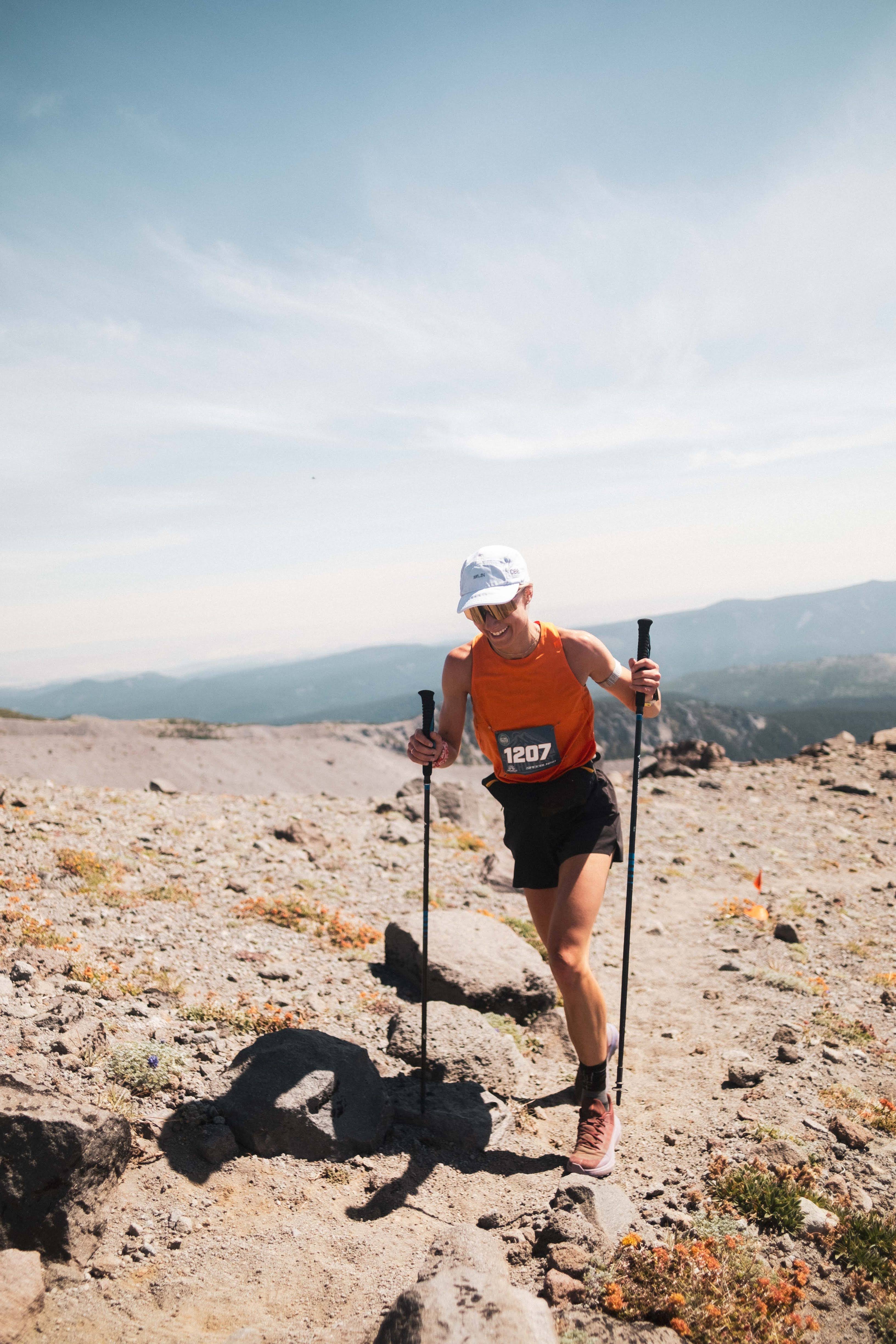
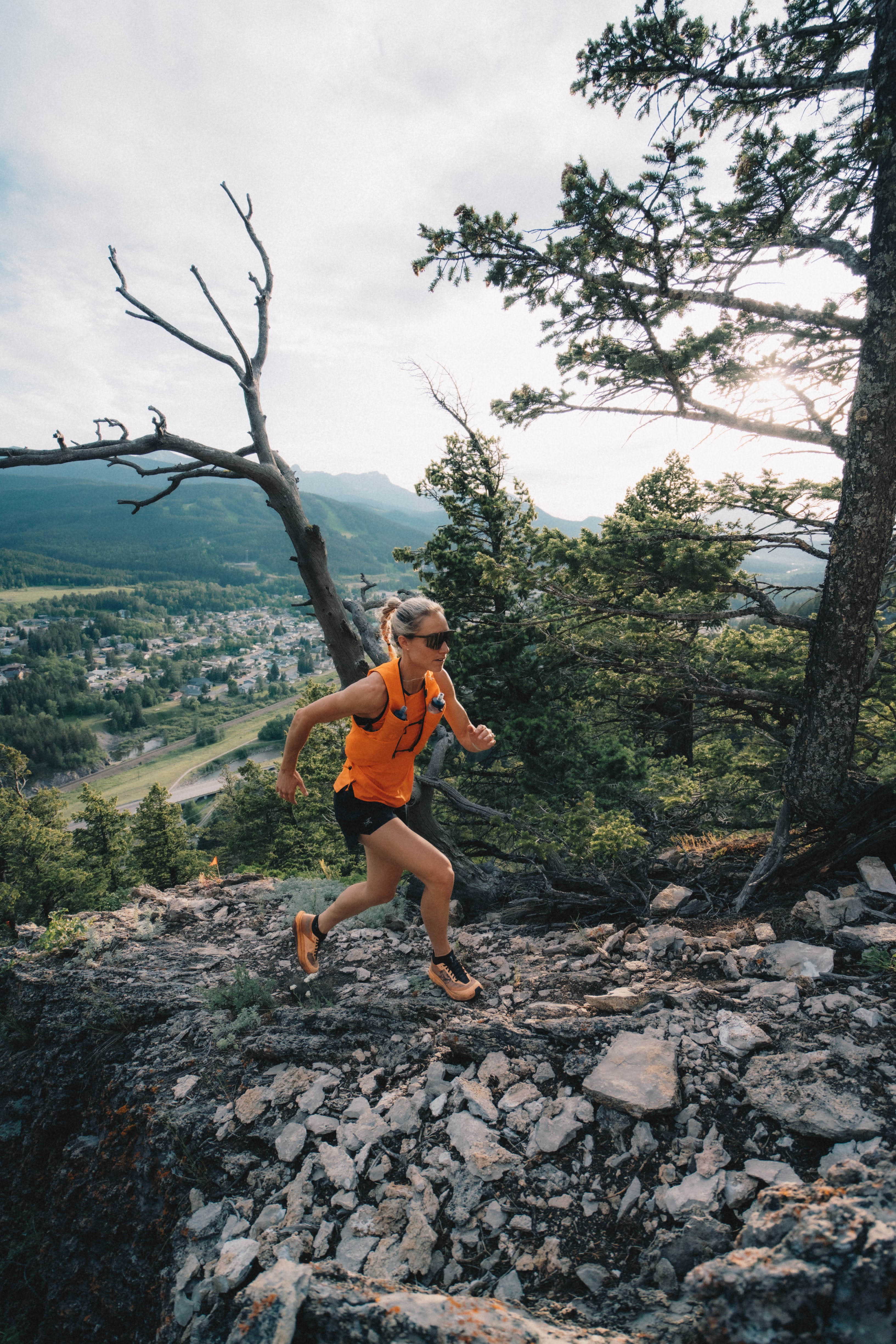
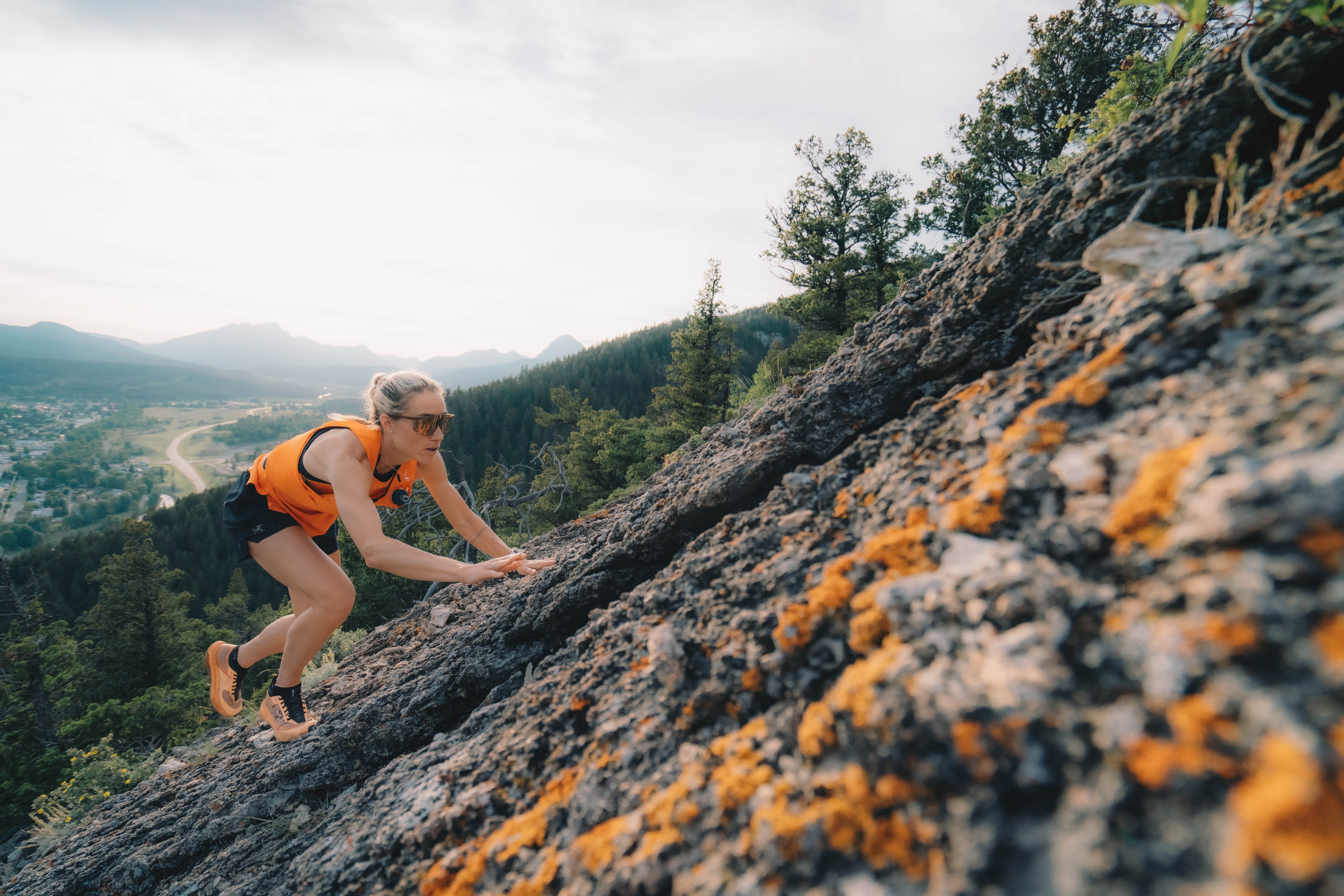
Skyrunning is not “trail running with more climbing.” It’s the space where running meets mountaineering — where courses gain thousands of feet straight from towns into ridgelines, glaciers, exposed peaks, and back down again in the most efficient way possible.
Courses typically range from 20–50 km (12–30 miles) with 2,000–4,000 meters of elevation gain (6,500–13,000+ ft). Depending on the terrain, altitude can vary widely — sometimes rising straight from sea level and other times reaching 10,000–14,000 feet. Routes usually begin on road, shift into gravel or forest service paths, and eventually funnel onto singletrack that leads over scree, snow, rock, grass, or mud, sometimes following a defined trail and other times allowing runners to choose their own line.
Skyrunning is the modern sport of racing where earth and sky meet. Though people have crossed mountains for centuries, organized races began in 1895 (Ben Nevis Race) and were formalized in the European Alps in the 1990s by Marino Giacometti, who built the first global mountain-running circuit. Today, the
International Skyrunning Federation governs a worldwide calendar of high-altitude, technical races that define the sport.Here’s the thing: The U.S. has the terrain to join in, but what we haven’t nurtured fully— yet — is the culture. The U.S. actually has a rich history of technical mountain racing as well, but arguably lacks the infrastructure and awareness necessary to grow skyrunning specifically. Our permitting laws, insurance systems, “stay on trail” ethics (valid and important for conservation), and general fear of risk keep most races and runners from venturing deeper into the sport. In the Dolomites, I’ve witnessed grandma’s climbing down technical ridges laughing and smiling, and in the U.S., I’ve seen middle aged men and women gawk at me running down a non technical ridgeline, shouting “be careful don’t roll an ankle!!”That’s what makes this story important. Because right now, with the exponential rise in the running era here in the states, there is a massive opportunity just waiting for the right support and people to step in.A chance to build something here — in North America — grounded in respect, education, environmental responsibility, and the
soul and culture of the sport.
Robin’s 2025 Race Season — And the Chaos That Came With It
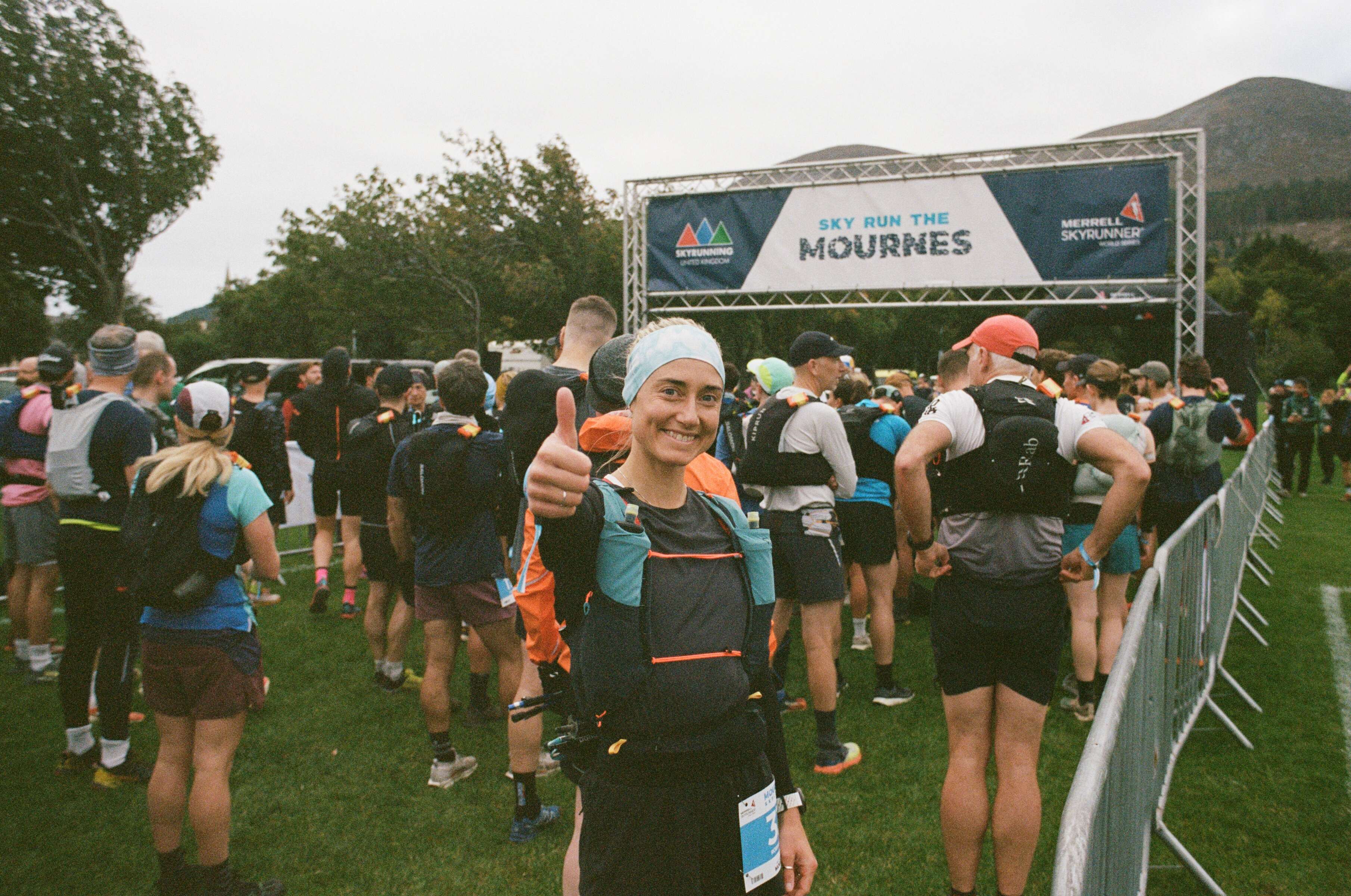
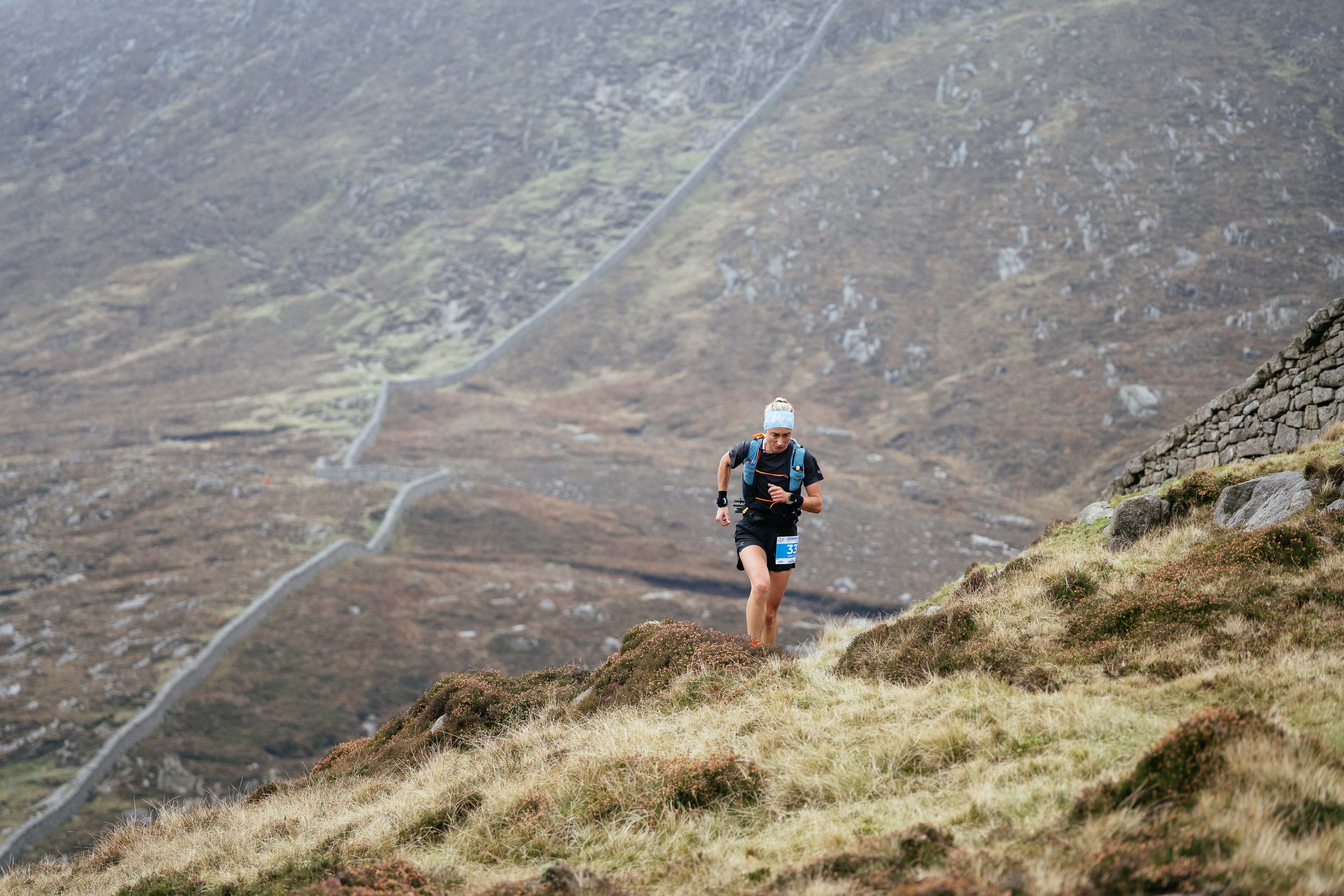
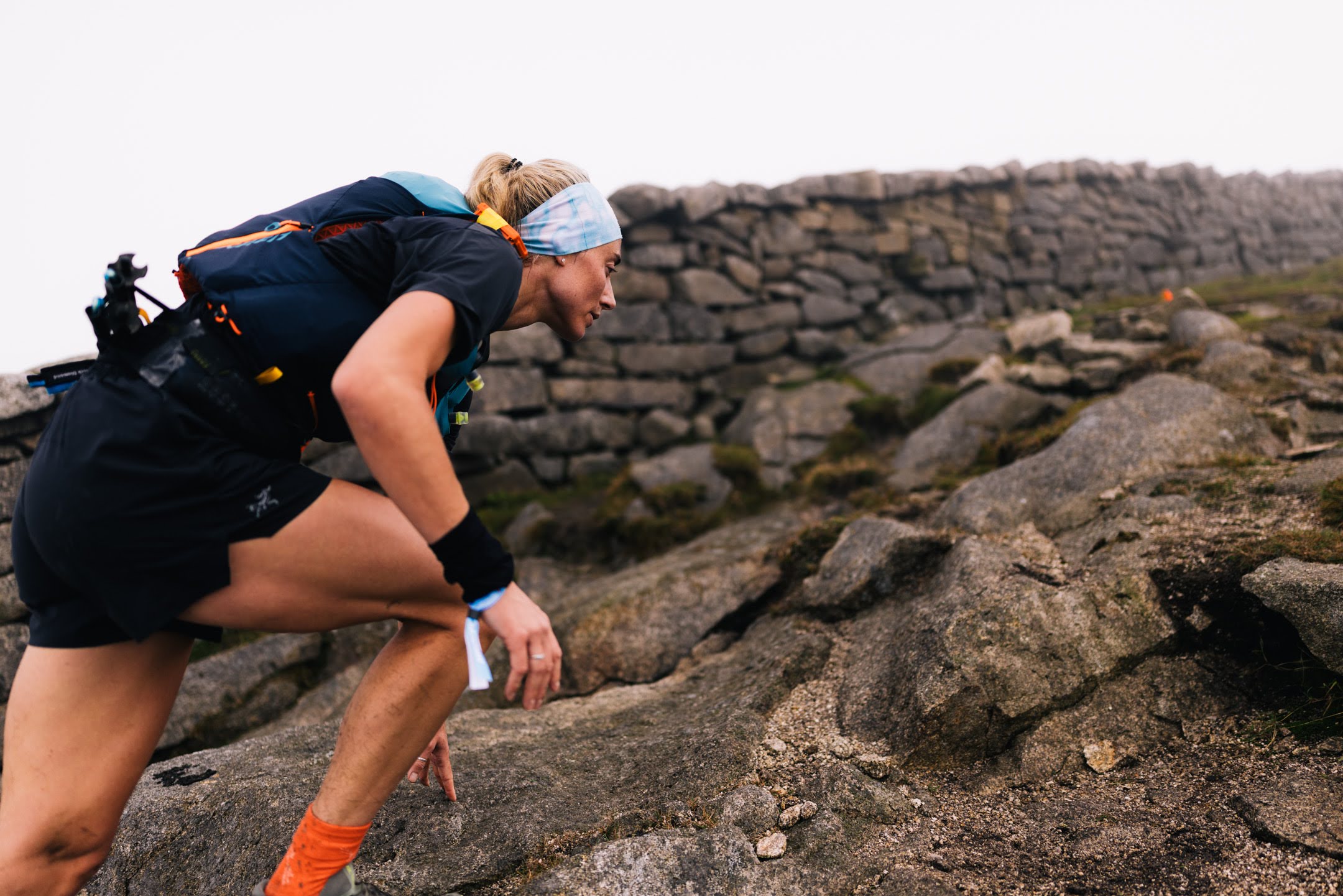
This year, the sky races on the schedule were a mix of planned starts and unexpected cancellations: the Hochkönig Skyrace in Austria (35K with roughly 8,500 ft of gain), Meet the Minotaur in Canada (35K with about 8,500 ft, canceled due to late snow), the Matterhorn Ultraks Extreme in Switzerland (25K and 10,000 ft, which I did not start because plans changed and travel costs were too high), Beast of Big Creek in Washington (22K with 5,300 ft, canceled because of wildfire), and finally Mourne Skyline in Northern Ireland (35K with 9,000 ft).
Climate, Weather & the Unpredictable Nature of Skyrunning
This year alone underscored how volatile conditions can be: Austria’s Hochkönig Skyrace saw thunderstorms and lightning the day before the race along with knee-deep summit snow; Canada’s Meet the Minotaur was canceled the day before because of heavy late-season snowfall; Washington’s Beast of Big Creek — one of only two true U.S. skyraces — was canceled due to a wildfire that burned for months and hundreds of thousands of acres; Switzerland’s Matterhorn Ultraks Extreme, thankfully, had great conditions; and in Ireland, the Mourne Skyline forecast predicted gale-force winds and sideways rain up high, even though race day turned out to be calm.
Sky races almost always run as planned, but in severe conditions they can be delayed, rerouted, or canceled. When the weather shifts fast, you often learn what’s possible in real time. The sport quietly builds climate awareness—snowpack, drought, wind, and storms all shape the course and your decisions. Over time, you start to notice the signs and respect the conditions. Skyrunning keeps you close to the terrain, and that awareness becomes second nature.
The Mental Game
People assume the hardest part is the elevation gain. Or the technical descents. Or the altitude. But ask any skyrunner, and they’ll probably tell you: the hardest part is staying mentally clear when everything hurts and nothing is certain.
Skyrunning requires carrying only what you need while still being prepared for rain, snow, thunder, and sun; staying calm at 180+ bpm as you power hike up 45° slopes; eating and drinking while climbing so you don’t miss the calories that could end your race; switching between ecosystems in under an hour as you move from forest trail to rocky alpine, to snow ridge, to exposed descent, to humid valley; and constantly making quick decisions about whether to add layers, remove gloves, drink now or wait, or push harder or hold back.
A 4–5 hour skyrace isn’t just endurance — it’s a constant negotiation with your own thoughts. You have to be soft enough to listen to your body, but hard enough to keep going when it begs you to stop.
“(...) the hardest part is staying mentally clear when everything hurts and nothing is certain.”
The Culture — Where Europe Got It Right
European skyrunning culture feels ancient and alive at the same time. Most races begin in town squares built long ago— stone churches, ringing bells, cobblestone streets. The course tape winds through narrow streets before you’re spit out into the open.You climb past farms, alpine huts, grazing cows, and then the trail disappears. You follow flags. You trust your feet. You hear “Allez! Andiamo! Bravo!” from strangers on ridges who hiked up at dawn to ring cowbells and cheer you on for the love of the sport. Even up high, there are kids cheering and elderly hikers yelling “bravo!”. It’s not just a race — it’s a community ritual.
Then the descent: back into town, through alleyways, across the finish arch. Someone hands you soup. Or beer. Or apple strudel. You’re not just a runner. You’re part of something older than the sport itself. That culture — that’s what the U.S. is missing. We have the terrain. What we don’t have yet is the shared belief that mountains are for everyone, or the generational memory of kids raised on peaks instead of playgrounds, or the easy relationship with risk — not reckless, but deeply respectful.
Why the U.S. Is on the Edge of Something Big — Obstacles
Skyrunning could explode in the U.S. — and we’re at the tipping point. But there are several key obstacles: strict land permits and insurance regulations, “stay on trail” ethics designed to prevent erosion, limited education around safe and respectful off-trail movement, a widespread fear of high-consequence terrain, minimal mainstream media coverage, and the simple fact that in 2025 there were only two registered skyraces in the entire United States.
At the same time, the opportunities are significant: the necessary terrain exists across ranges like the Sierra, Rockies, Cascades, Tetons, San Juans, Whites, and Adirondacks; interest in alpine landscapes has grown since COVID; brands are seeking authentic mountain-sport storytelling rather than staged content; there’s major gear potential in lightweight vests, shoes, poles, crampons, and weather shells; and younger athletes are increasingly drawn to sports that offer meaning and connection rather than just medals.
I’ve been working with the International Skyrunning Federation (ISF) and US Skyrunning to figure out ways to bring more events, education, and storytelling here. The goal isn’t to “make it bigger.” The goal is to make it deeply rooted, respectful, and sustainable.
At the Mercy of the Mountains, and Grateful for It
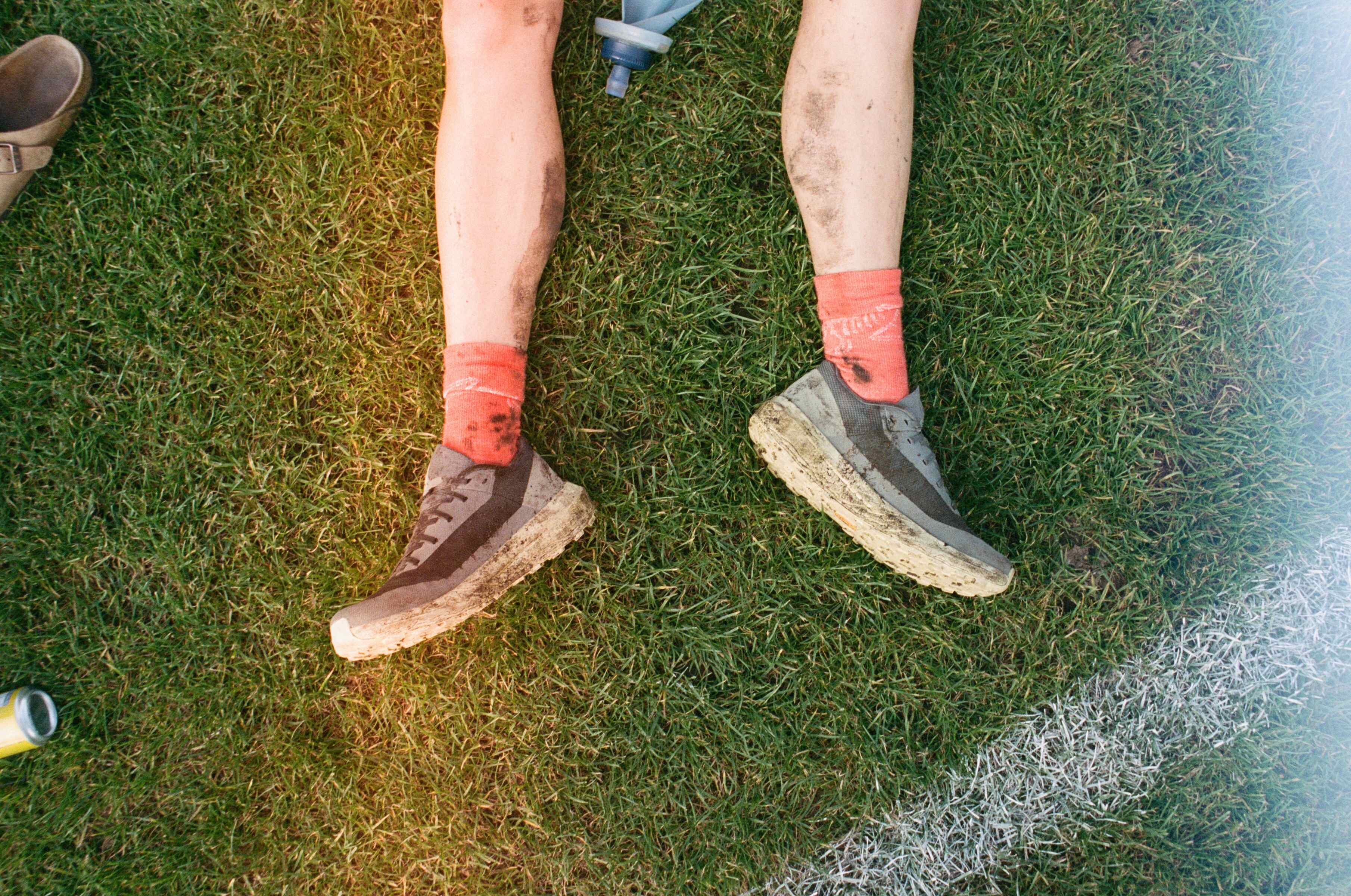
Skyrunning has given me bruised knees, frozen fingers, sunburned lips, mud-streaked legs — and more peace than anything else in my life. It’s given me community — cheers on foggy summits, pasta at finish lines, text messages from French and Spanish runners I can barely talk to but deeply understand. It’s given Tyler a front-row seat to what it looks like to support someone chasing something irrational and beautiful. As a former pro hockey player who once saw running only as punishment, skyrunning opened a new world: mountains, community, sunrise effort, and adventure without a scoreboard — a simple, genuine way to stay connected to sport. It’s given our dog, Sky, thousands of miles of trail, snow, and sleep on long drives between mountain towns. And it’s given me a quiet responsibility: to help grow this sport with respect — for the land, for the people who came before us, and for those who will follow. Because when you’re running that close to the sky — it’s hard not to believe in something bigger.
Twice a month. A message from our hearts.
Sign up for updates on outdoors, adventure, climate and sustainability.