Searching for Waves
at the Edge of the World
Explorer and filmmaker Ben Weiland on why exploration might be the most human thing we do
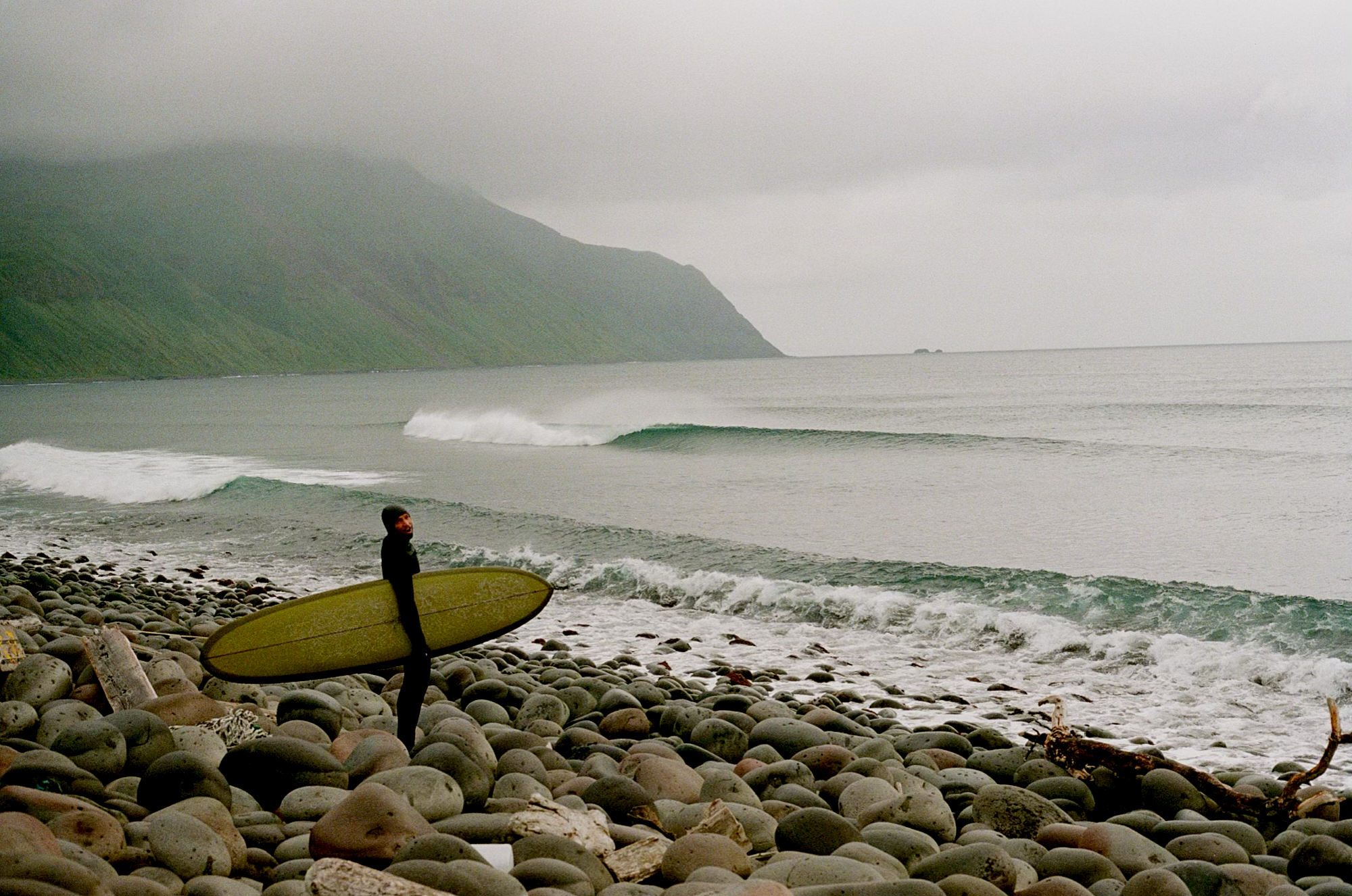
There are still places on this planet where the satellite image returns nothing useful. No reviews, no coordinates worth following, no record of anyone having been there. Filmmaker and explorer Ben Weiland has spent years seeking them out, trading familiar coastlines for ones where the fog doesn't lift and the charts run out.
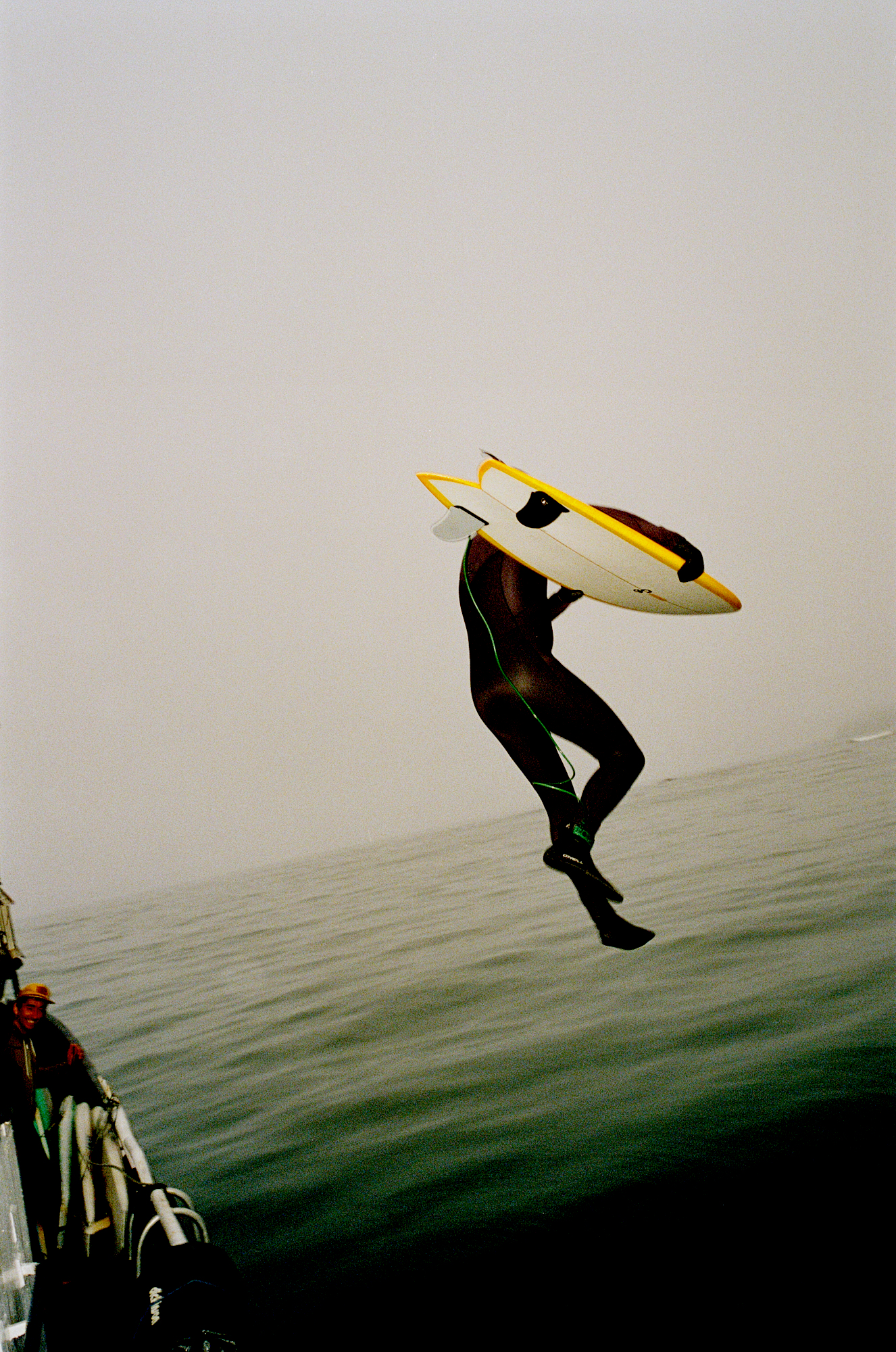
His latest venture took him deep into the Aleutian archipelago, a volcanic chain stretching from Alaska toward Russia that is, by most measures, one of the most inhospitable and least-visited places on Earth. The result is "The Search for Volcano Island," a film that follows the expedition across weeks at sea, between islands that have barely been documented outside of scientific research.
We spoke with Ben about the making of the film, what exploration still has to offer in an age that assumes everything has been found, and why some places are worth seeking precisely because no one else is looking.
Tell us a little bit about the Aleutian Islands. Was there a moment on the journey when you realised you’d completely underestimated the place?
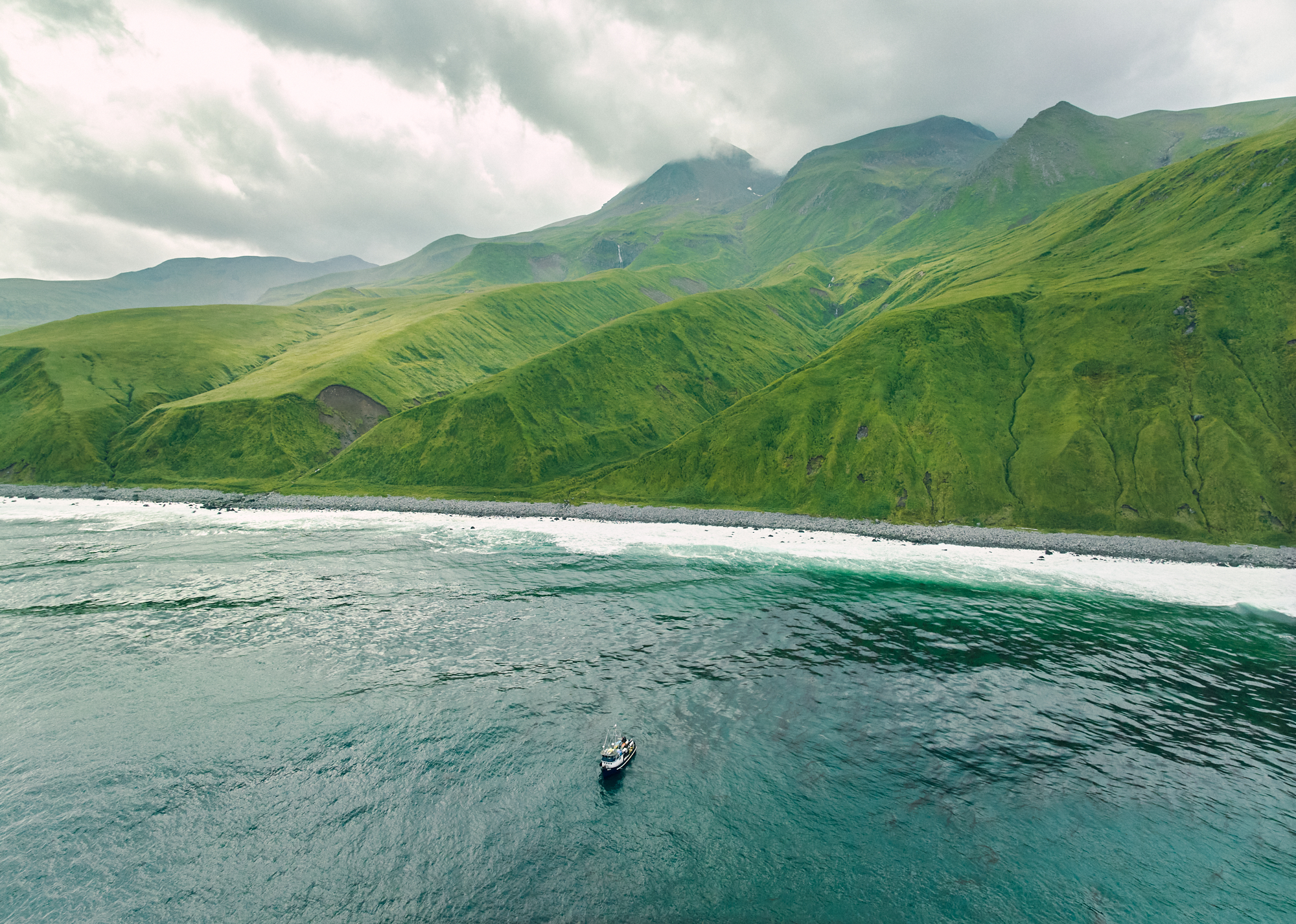
Ben: The Aleutian Islands are extremely remote, even by Alaskan standards. And they stretch from Alaska all the way to Russia. I don't think I realized just how vast that area truly is. When I was traveling on the Milo and filming "The Search for Volcano Island", I was on board for only a section of the entire island chain. The boat crew was doing the whole stretch. And even the section I was on was incredibly vast. We really didn't have enough time to cover it all, and only scratched the surface. It would take a lifetime to truly explore it all.
What did a ‘normal’ day look like on the boat, from waking up to heading to bed?
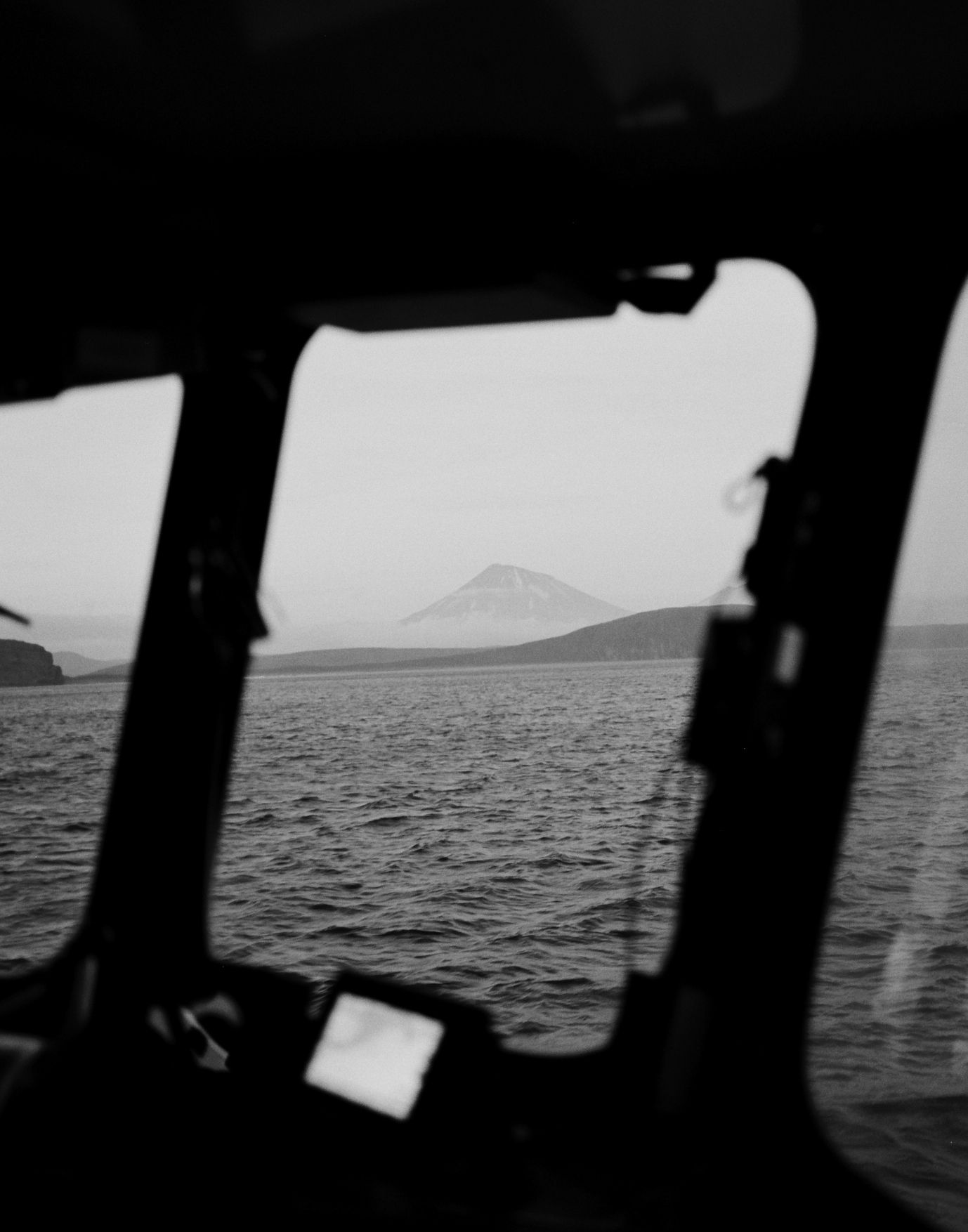
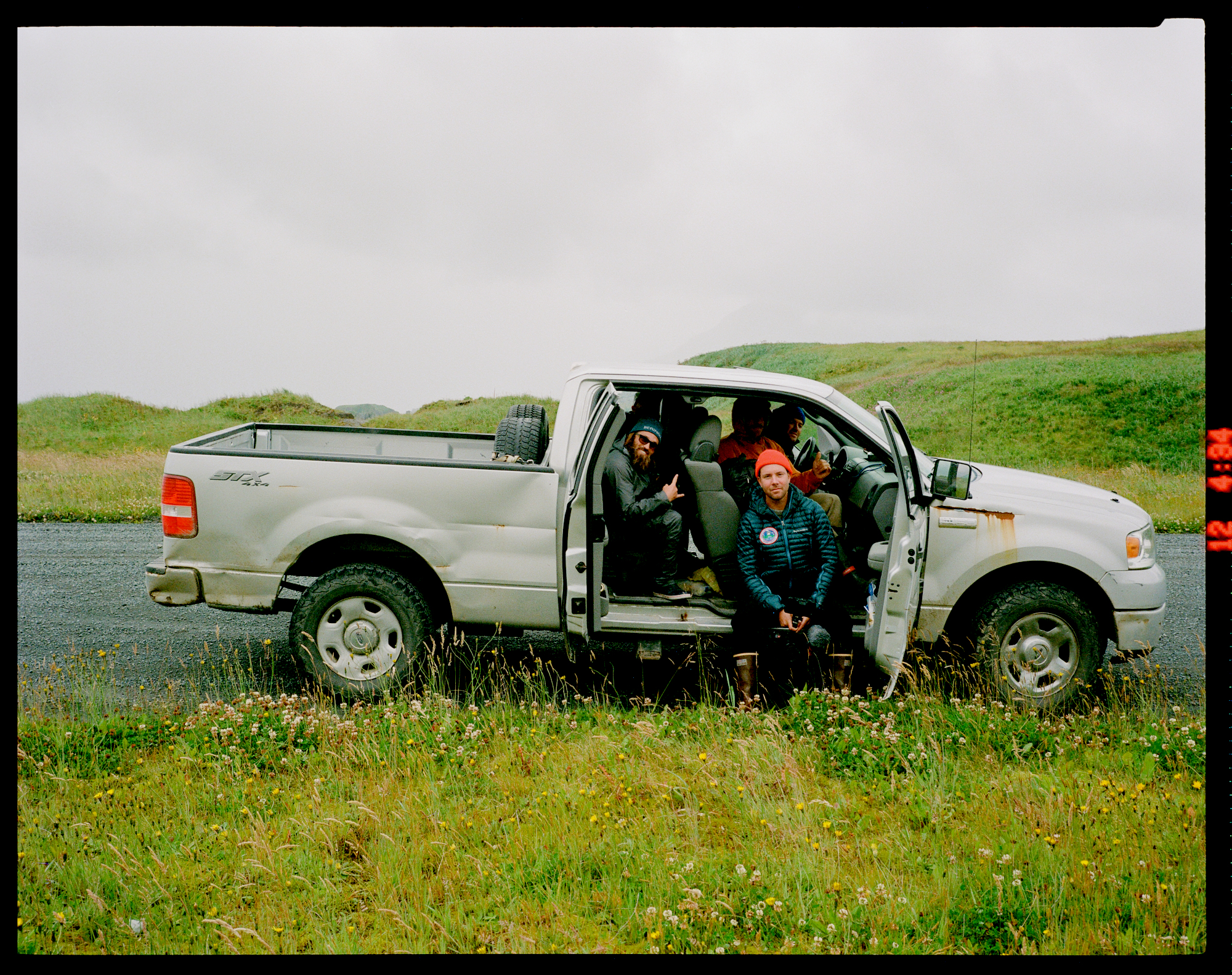
Ben: We were covering a lot of ground, moving from island to island. And I had specific areas I wanted to check out. Before the trip I made a big binder with research on where I thought we might find spots. The rest of the crew also had ideas on areas to check out. It's kind of a shot in the dark, because once you arrive at an island you have to make your best guess on where to come closer to shore and look. So normally we would try to cover distance in the evenings, and spend the days near an island looking for surf setups.
You’ve mentioned your pull toward searching for waves in the Arctic. What do you think you’re really searching for out there, beyond the waves themselves?
Ben: To me it's about adventure and discovery. It's amazing to me that there are still real treasures to be found in the world, waves that have never been documented. These expeditions involve friendships, curiousity, imagination, hard work, extensive planning, and commitment. The stories that can be told are really valuable and meaningful. Exploration is part of what it means to be human.
What were the most surprising environmental or ecosystem-observations you made (species, habitat vulnerability, signs of climate change) while in the Aleutians?
Ben: It's amazing to me that there are places in the world where you are completely out of range, and there are no humans in sight. Places where, if you look online, there is almost no information to be found. The Aleutian Islands have been traveled and visited for over a hundred years, and prior to that, the Aleut people lived all throughout them. But when you go there now, there are certain places that feel completely isolated. It makes me happy to know places like this exist.
In remote landscapes like the Aleutians, how do you balance the thrill of exploration with ethical responsibility to the place and its ecosystems?
Ben: Responsibility and respect for a place come from, to some extent, appreciation of what is there, by documenting it. Sharing what makes it special and fragile. I would guess that many of the places we designate and preserve have received this status from research and storytelling, and sharing the incredible beauty of their natural state. If no one is paying attention, then it's easy to forget how important these places are.
"Responsibility and respect for a place come from, to some extent, appreciation of what is there."
Adventure is often about ‘conquering’ (a wave, an island) - yet conservation is about protecting. How do you navigate the tension between adventure filmmaking and preserving places?
Ben: Personally I don't have a moral dilemma between filmmaking and preservation. I think they go hand in hand. We need to share stories about places that are important, beautiful, and fragile. Storytelling is the key way that we come to a consensus around why places are worthy of preservation, and how to go about it. If these stories are not shared, and we don't understand what is at stake, then it is likely to be forgotten.
You’ve recently started developing a surf game. Can you tell us how that project was born and what excites you most about it?
Ben: I'm extremely excited about this project. I've been working on it quietly for some time. Many of the surf games I have seen are focused on surfing as an athletic sport. But what I enjoy most about surfing it the way it immerses you in the environment. The sights and sounds of some of the most beautiful places on the planet. In my years of travels, I have been to and heard about magical places with perfect surf. This game is about entering into this world and going on a journey. I'm planning on launching a crowdfunding campaign for it later this year.
Twice a month. A message from our hearts.
Sign up for updates on outdoors, adventure, climate and sustainability.

.jpg)
